Compare Ceramic Coating and PPF Effectiveness, Lifespan, and Care Requirements (2026 Guide)
When it comes to protecting your car’s paint, two names always come up: ceramic coating and PPF. If you have been trying to compare ceramic coating and PPF effectiveness, lifespan, and care requirements, you are not alone. It is one of the most common questions we hear at Aj’s Auto Detailing here in San Luis Obispo. Both products are fantastic, but they do very different jobs.
In this 2026 guide, we break down exactly how these two options stack up. We cover protection, how long they last, what maintenance they need, and what you can expect to pay. By the end, you should know which one fits your car and your budget best.
What Is the Difference Between Ceramic Coating and PPF?
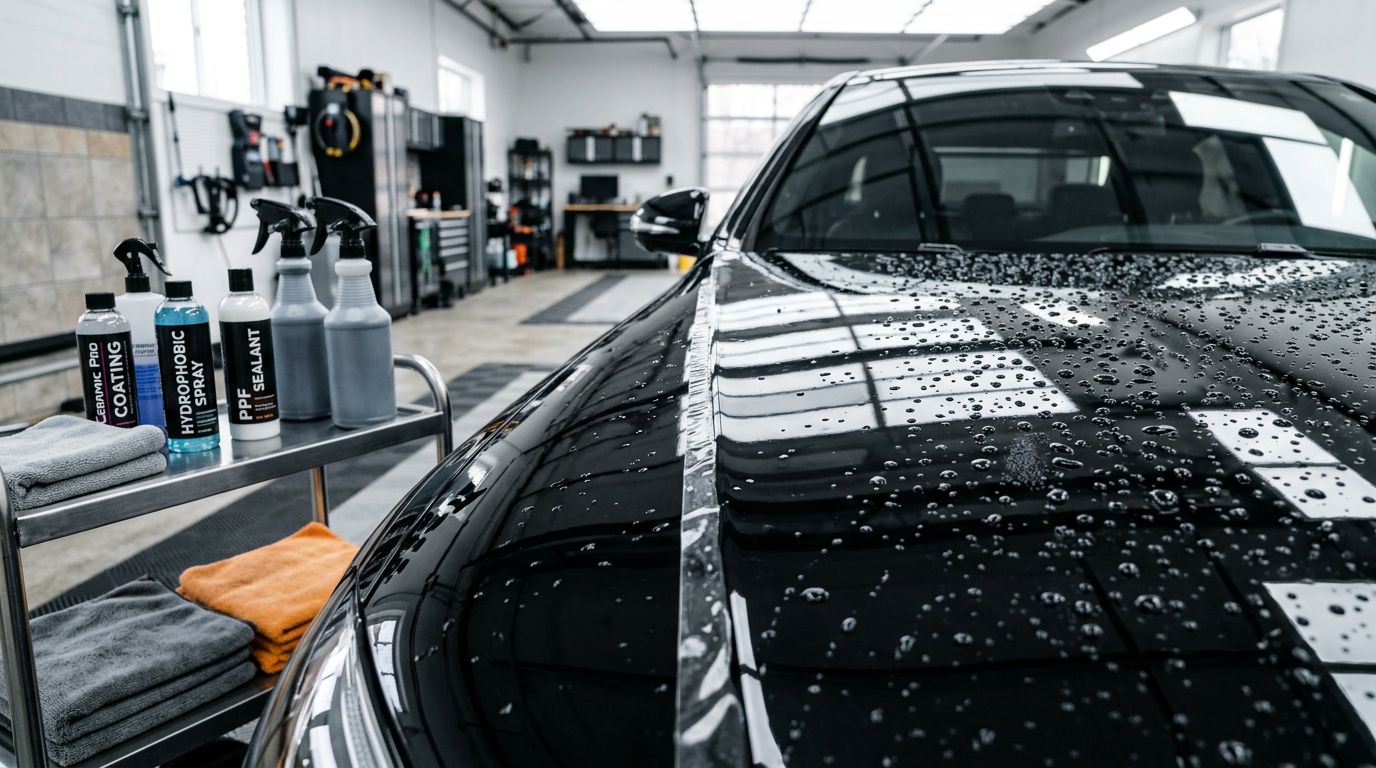
Let’s start with the basics. Ceramic coating is a liquid polymer that bonds chemically with your car’s clear coat. Once it cures, it creates a hard, glossy layer that repels water, dirt, and light contaminants. Think of it as an invisible shield that makes your paint slick and easy to clean.
PPF, or paint protection film, is a totally different animal. It is a clear, physical layer of urethane film that gets applied directly onto your paint. It is THICK compared to a ceramic coating. Because it is a real physical barrier, PPF can absorb rock chips, road debris, and minor scratches that would otherwise damage your paint.
The simplest way to think about it: ceramic coating is about SHINE and easy cleaning, while PPF is about IMPACT protection. Many people assume they do the same thing, but they really do not. Here is a quick side-by-side look.
| Feature | Ceramic Coating | PPF (Paint Protection Film) |
|---|---|---|
| Material | Liquid polymer (chemical bond) | Urethane film (physical layer) |
| Main Benefit | Gloss, hydrophobic, easy cleaning | Rock chip and scratch protection |
| Thickness | Very thin (microns) | Thick (around 6-8 mils) |
| Self-Healing | No | Yes (most modern films) |
| Protects Against Rock Chips | No | Yes |
| Enhances Shine | Yes, dramatically | Slightly (gloss finish) |
| Typical Cost | Lower | Higher |
How Effective Are Ceramic Coating and PPF at Protecting Your Car?
Both products protect your car, but they target different threats. Understanding what each one actually stops will help you make the right call.
Ceramic Coating Protection
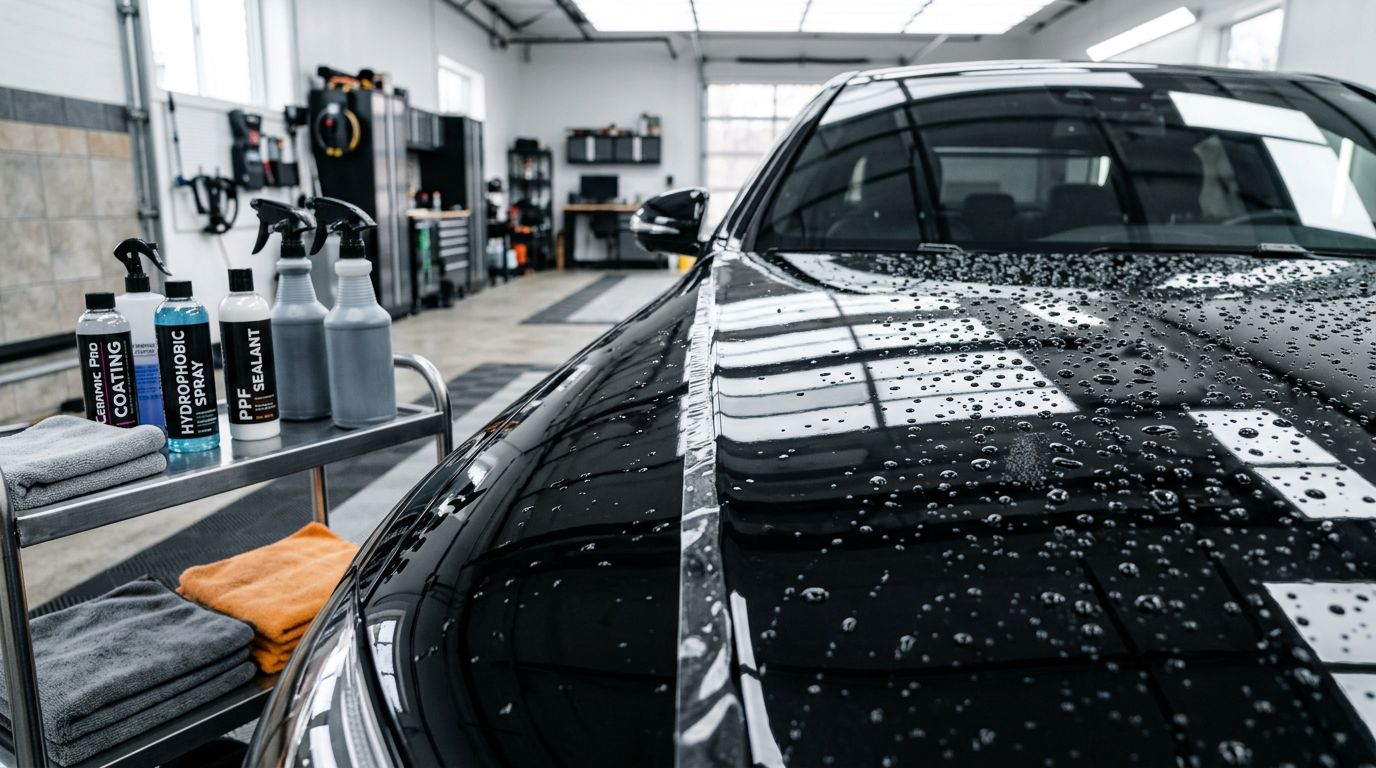
Ceramic coating shines when it comes to chemical and environmental protection. It creates a hydrophobic surface, which means water beads up and rolls off. That helps stop water spots, bird droppings, tree sap, and bug guts from etching into your paint.
It also blocks UV rays, which slows down fading and oxidation. For folks driving along the coast near Pismo Beach or Grover Beach, that salty ocean air is no joke. A good ceramic coating helps keep contaminants from bonding to your paint. What it does NOT do is stop a rock from chipping your bumper.
PPF Protection
PPF is the heavyweight champion of physical protection. Because it is a thick film, it absorbs the impact of rocks, gravel, and road debris. This is huge if you spend a lot of time driving Highway 101 between Santa Maria and King City where debris gets kicked up constantly.
Modern PPF is also self-healing. Light swirl marks and small scratches disappear when the film is exposed to heat, like sunlight or warm water. That is something ceramic coating simply cannot do. PPF is the best defense against the kind of damage that costs real money to repair.
Can You Combine Both for Maximum Protection?
Absolutely, and many of our clients do exactly that. PPF goes on first as the physical barrier. Then a ceramic coating goes over the top. This combo gives you rock chip protection AND that slick, easy-to-clean, glossy finish. It is the premium approach for anyone who wants the best of both worlds.
How Long Does Ceramic Coating vs PPF Last?
Lifespan is one of the biggest differences between these two products. Both last a long time when installed correctly, but PPF generally comes out ahead in raw durability. Keep in mind that real-world lifespan depends on how you drive, where you park, and how well you maintain the product.
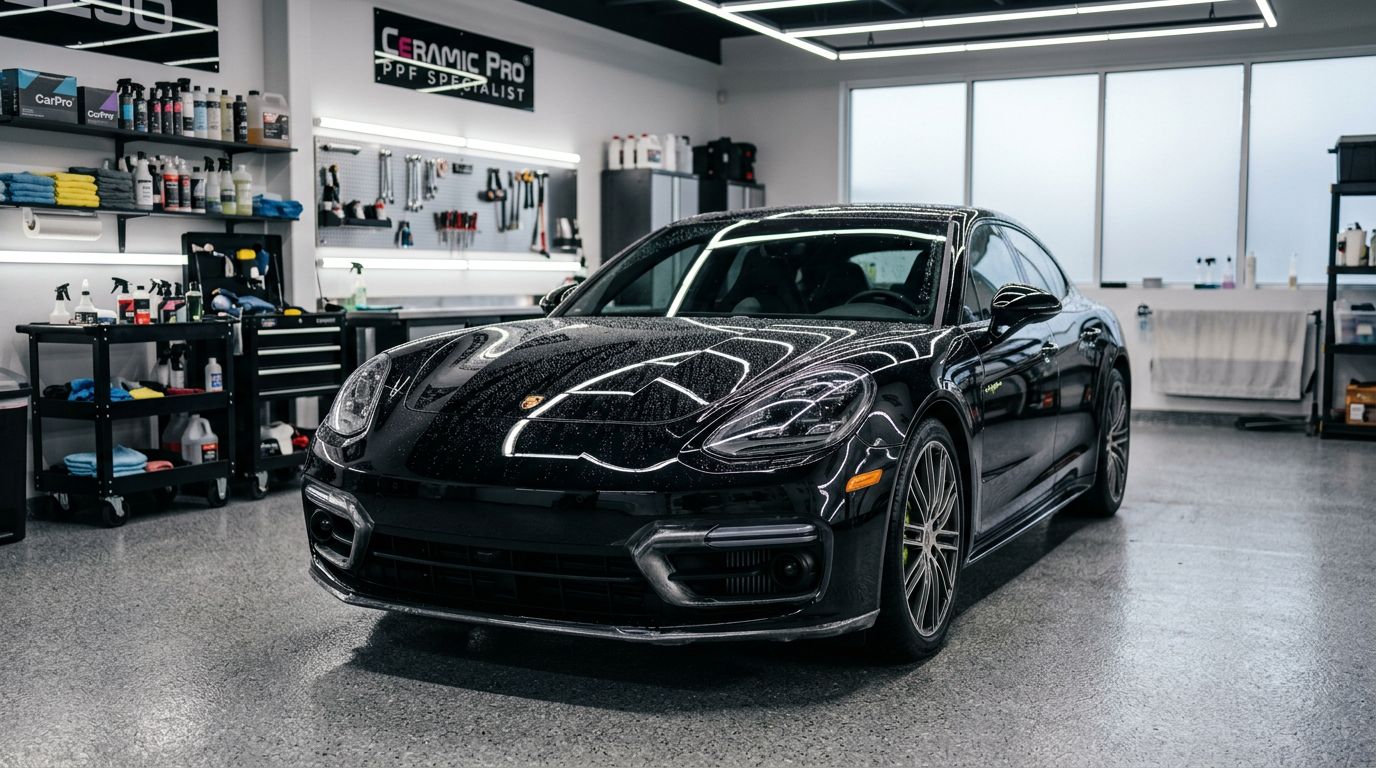
- Professional ceramic coating: Typically 2 to 5 years, with some high-end coatings lasting longer with proper care.
- Consumer-grade ceramic sprays: A few months up to a year. These are more of a booster than a true coating.
- PPF: Usually 7 to 10 years, sometimes more with quality film and good maintenance.
- PPF with a ceramic top coat: Long-lasting protection with the ceramic layer refreshed every few years for peak performance.
So if longevity is your top priority, PPF wins. But ceramic coating still offers years of protection at a lower price point, which makes it a great value for a lot of drivers.
What Are the Care and Maintenance Requirements for Each?
Neither product is maintenance free. The good news is that both make your car EASIER to keep clean. Here is what you need to know about caring for each.
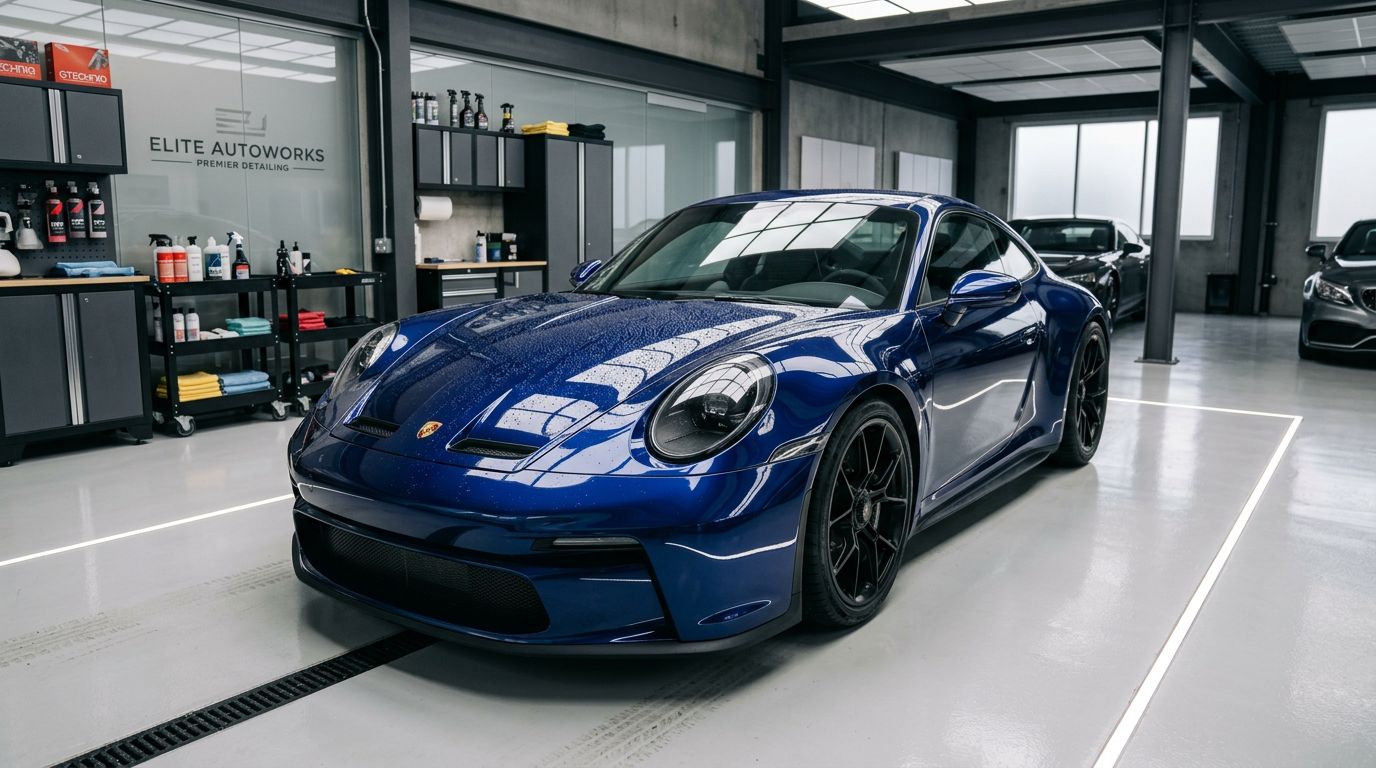
Caring for a Ceramic Coating
Ceramic coating makes washing simple because dirt struggles to stick. Still, you want to keep the surface healthy so the hydrophobic effect lasts. A few tips:
- Wash every two weeks using a pH-neutral car soap.
- Use the two-bucket method to avoid swirl marks.
- Skip automatic car washes with harsh brushes.
- Dry with a clean microfiber towel to prevent water spots.
- Consider a ceramic booster spray every few months to refresh the coating.
That is really it. A properly coated car takes far less time to wash than an uncoated one because contaminants rinse right off.
Caring for PPF
PPF is also low maintenance, but it has a few of its own rules. Because it is a physical film, you want to treat the edges with care. Here is how to keep it in top shape:
- Wait about a week after installation before your first wash so the film fully sets.
- Hand wash gently and avoid blasting high-pressure water directly at the film edges.
- Use a pH-neutral soap, just like with ceramic.
- Remove bird droppings and bug splatter quickly so they do not stain the film.
- Avoid abrasive polishes or wax with harsh chemicals unless they are PPF-safe.
Which Is Easier to Maintain?
Honestly, they are close. Ceramic coating edges out slightly because there are no film edges to worry about and it self-cleans a bit better in the rain. But PPF is not hard to maintain either, especially when it has a ceramic top coat that adds slickness. For most people, both feel like a big upgrade over an unprotected car.
How Much Do Ceramic Coating and PPF Cost in 2026?
Cost is where these two really separate. PPF is more expensive because it is a labor-intensive install using premium film. Ceramic coating is more budget-friendly while still delivering years of protection. Prices vary based on your vehicle size, the coverage you want, and the quality of the product.
Here is a general range to give you an idea of what to expect in 2026. These are ballpark numbers, and every vehicle is a little different.
| Service | Coverage | Typical 2026 Price Range |
|---|---|---|
| Ceramic Coating | Full exterior | $500 – $2,000 |
| Ceramic Coating | Entry-level or single stage | $300 – $700 |
| PPF | Partial front (bumper, hood, mirrors) | $800 – $2,500 |
| PPF | Full vehicle wrap | $4,000 – $8,000+ |
| PPF + Ceramic Combo | Full protection package | $5,000 – $10,000+ |
Remember, price reflects value. PPF costs more because it physically shields your paint from expensive damage. Ceramic delivers gloss and easy cleaning at a lower entry point. Many drivers start with ceramic and add partial PPF later on high-impact areas.
Which Should You Choose: Ceramic Coating, PPF, or Both?
The right choice comes down to how you use your car and what you want to protect against. There is no single answer that fits everyone. Let’s break it down by driver type so you can find where you land.
- Choose ceramic coating if: You want a deep shine, easy washing, and solid protection against UV, water spots, and light contaminants at a lower cost. Great for daily drivers and anyone near the coast in Arroyo Grande or Avenal dealing with sun and salt air.
- Choose PPF if: You drive a lot of highway miles, own a new or high-value car, or hate the idea of rock chips. Perfect for those commuting between Lompoc, Goleta, and San Luis Obispo where road debris is common.
- Choose BOTH if: You want the ultimate protection package. PPF handles impacts while ceramic adds shine and makes the film even easier to keep clean. This is the go-to for enthusiasts and luxury vehicle owners.
- Choose partial PPF plus full ceramic if: You want strong impact protection on the front end where chips happen most, plus full-body ceramic coverage. A smart middle-ground option for budget-conscious drivers.
If you are still not sure, that is normal. A professional detailer can look at your specific vehicle, driving habits, and goals to recommend the best fit. Every car and every owner is different.
Conclusion
To sum it up: ceramic coating gives you gloss, hydrophobic performance, and easy cleaning, while PPF gives you serious physical protection against rock chips and scratches. Ceramic typically lasts 2 to 5 years and costs less. PPF can last 7 to 10 years and costs more but shields your paint from real damage. Both need simple, gentle maintenance, and combining them delivers the best all-around protection.
At Aj’s Auto Detailing, we help drivers across San Luis Obispo, Pismo Beach, Santa Maria, and the surrounding areas protect their vehicles with expert ceramic coating, PPF, paint correction, and full detailing services. If you are ready to keep your car looking its best for years to come, reach out to our team and let’s find the perfect protection plan for your ride.