Scratch Remover vs Rubbing Compound: Which Works Best? (2026)
Scratches happen. Whether it is a stray shopping cart, a rogue branch, or years of automatic car washes, your paint takes a beating. When you finally decide to fix those marks, you will run into two popular options: scratch remover and rubbing compound. At Aj’s Auto Detailing in San Luis Obispo, we get asked all the time which one actually works best.
The truth is, they do different jobs. Picking the wrong product can waste your time or even make things worse. So let us break down the real differences, how each one works, and when you should reach for one over the other.
What Is the Difference Between Scratch Remover and Rubbing Compound?
Both products are abrasives. That means they work by removing a thin layer of clear coat to level out damage. The big difference is HOW aggressive they are. Scratch remover is a mild, fine abrasive designed for light surface scratches and swirl marks. Rubbing compound is much more aggressive and cuts deeper to tackle heavier damage.
Think of it like sandpaper. Scratch remover is the fine grit that smooths things gently. Rubbing compound is the coarse grit that removes more material fast. Here is a quick side-by-side look.
| Feature | Scratch Remover | Rubbing Compound |
|---|---|---|
| Abrasiveness | Mild and fine | Coarse and strong |
| Best For | Light scratches and swirls | Deeper scratches and oxidation |
| Clear Coat Removal | Minimal | Significant |
| Risk Level | Low | Higher if overused |
| Finish After Use | Usually ready to go | Often needs polishing after |
| Skill Needed | Beginner friendly | More experience helps |
How Do Scratch Removers Work on Car Paint?
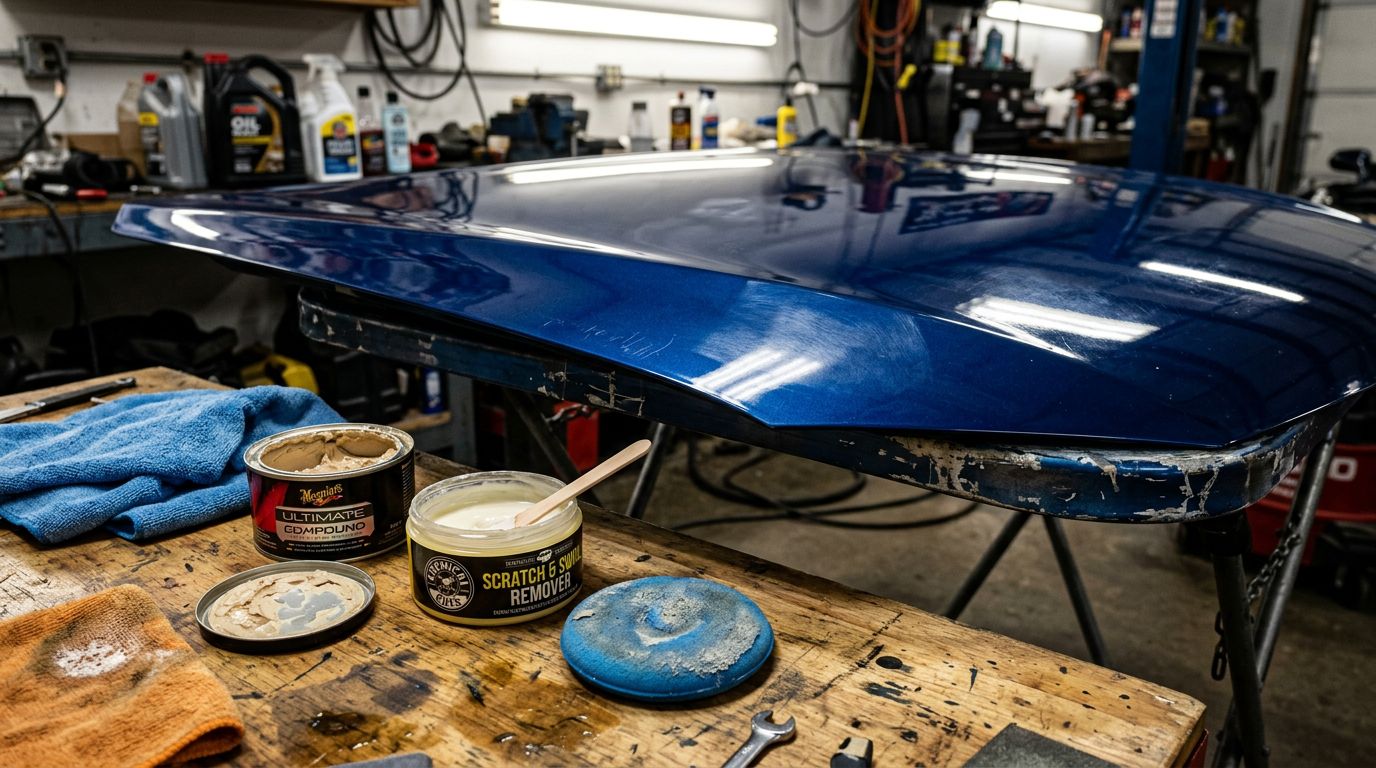
Scratch removers use tiny abrasive particles suspended in a cream or liquid. As you rub the product across the paint, those particles gently wear down the raised edges around a scratch. This helps blend the scratch into the surrounding clear coat so it becomes less visible.
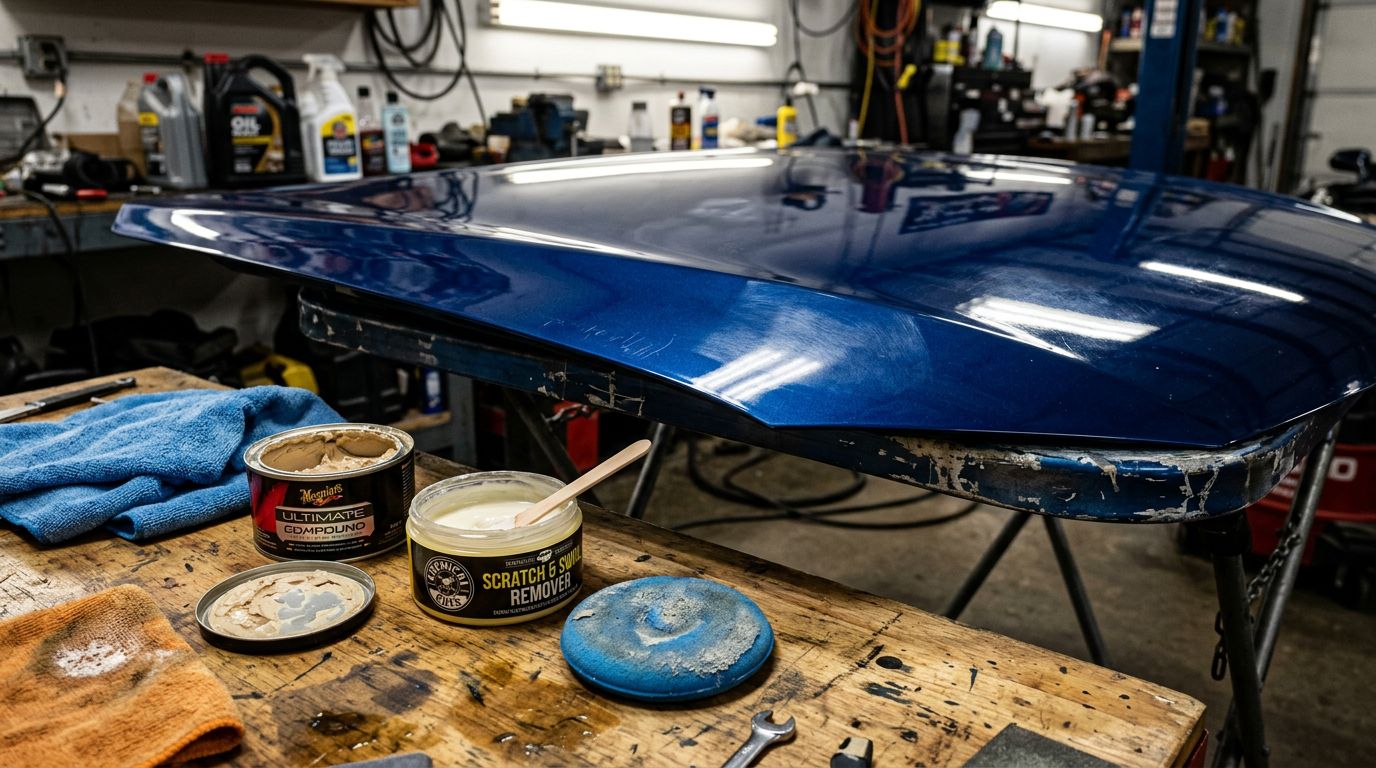
The key word here is LIGHT. Scratch removers only work on damage that sits inside the clear coat. If your fingernail catches when you run it across the scratch, it may be too deep for a remover alone. Here is what scratch removers do well.
- Reduce or erase fine surface scratches
- Clean up light swirl marks from washing
- Smooth out haze and minor dullness
- Improve gloss on paint that looks tired
- Work with a microfiber cloth or a machine pad
- Require little skill for basic touch ups
For a lot of everyday marks, a quality scratch remover is enough. It is the safest starting point because it removes the LEAST amount of clear coat.
When Should You Use Rubbing Compound Instead?
Rubbing compound is your heavy hitter. You reach for it when a scratch remover just is not cutting through the damage. Because it removes more clear coat, it can level deeper imperfections that a mild product cannot touch. But that power comes with responsibility. Too much compound and you can burn through the clear coat completely.
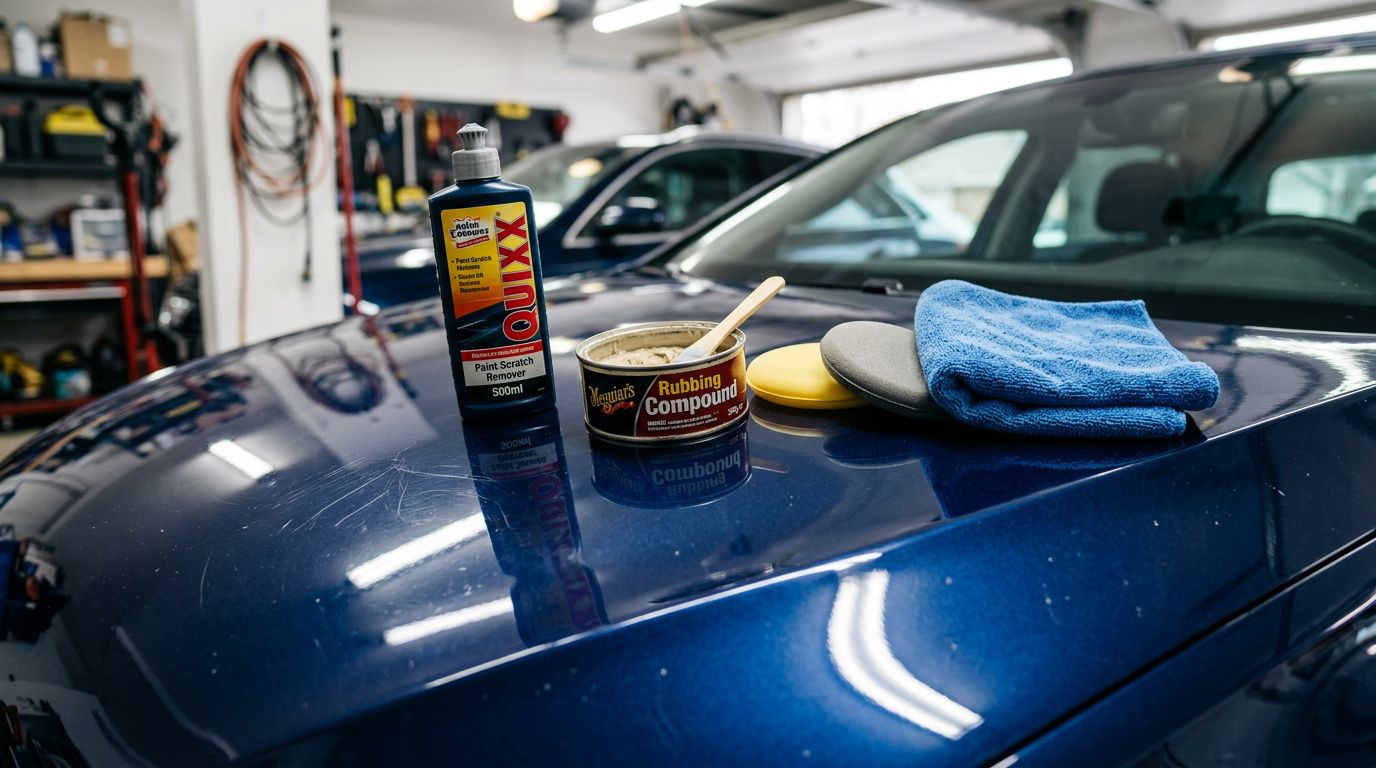
Use rubbing compound when you are dealing with more serious paint problems. Here is when it makes sense.
- The scratch is deep but has not gone through the color coat
- Your paint has heavy oxidation or a chalky look
- There are stubborn scuff marks that scratch remover ignored
- You see water spots or etching that will not wash away
- You are prepping paint before a full polish or ceramic coating
- The surface has deep swirls from years of poor washing
One thing to remember: rubbing compound usually leaves its own light haze behind. That is why pros almost always follow it with a polish to restore shine. Compound cuts, polish refines.
Which One Is Best for Different Types of Scratches?
Not all scratches are created equal. The right product depends on how deep the damage goes. Let us walk through the common types you will run into.
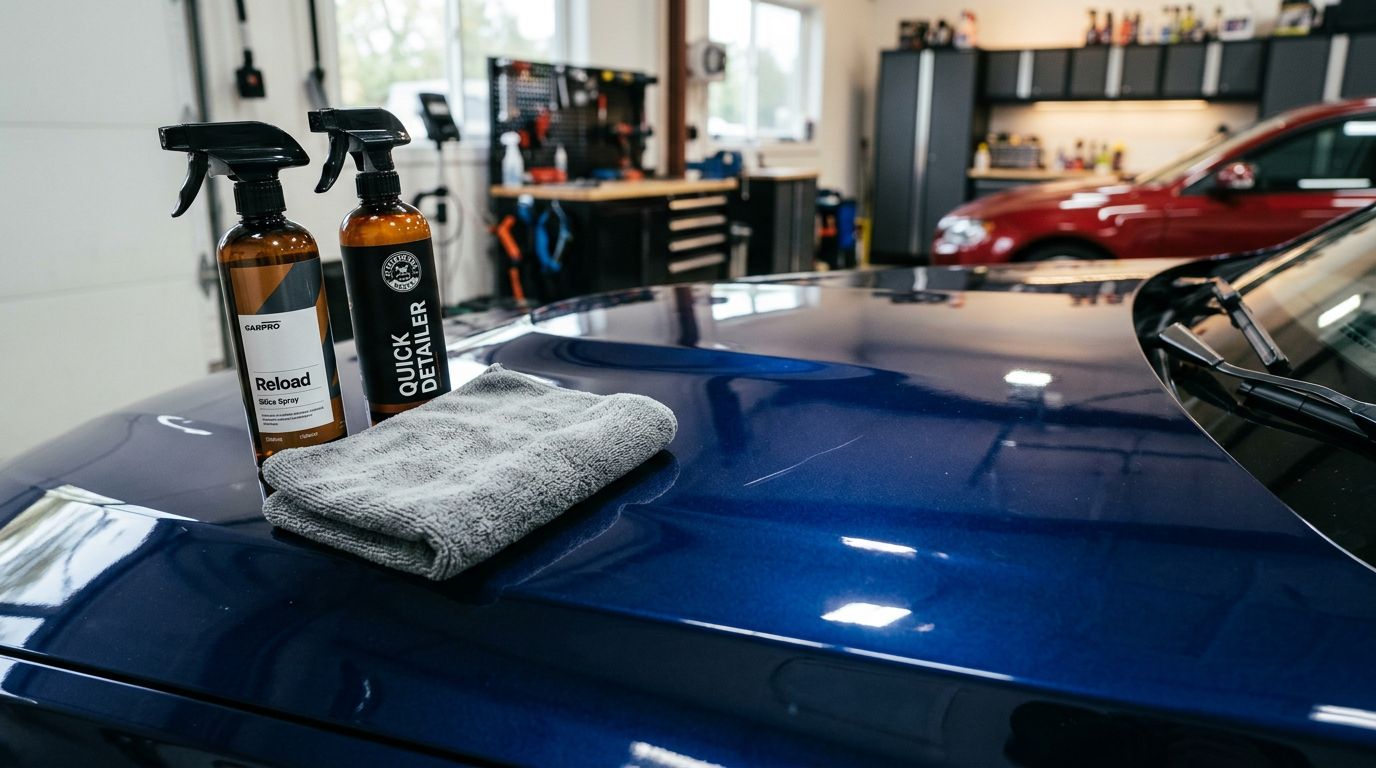
Light Surface Scratches and Swirl Marks
These are shallow marks that live in the top layer of clear coat. They often show up as fine spider-web patterns under sunlight. For these, a scratch remover is your best friend. It is gentle enough to fix the problem without removing too much material. Most of the time a rubbing compound would be overkill here.
Medium Scratches You Can Feel
If your fingernail catches slightly but the scratch is not through to the paint color, you are in the middle zone. A scratch remover might reduce it, but you may need a light pass with rubbing compound to fully level it. This is where technique matters. Start mild and step up only if needed.
Deep Scratches Through the Clear Coat
When a scratch goes past the clear coat and into the color, no product fully hides it. Rubbing compound can improve the appearance and smooth the edges, but the scratch may still be visible. Deep gouges that reach the primer or metal usually need paint work, not just polishing. This is where a professional touch really helps.
Scuffs and Transfer Marks
Scuffs from another car or a wall often leave behind foreign material on your paint. These sometimes look worse than they are. A rubbing compound can remove the transferred paint and clean up the surface fast. Then a polish brings the shine back.
How to Apply Scratch Remover and Rubbing Compound Correctly
Application matters just as much as the product. A great compound used the wrong way can leave your paint worse than before. The goal is to work SLOW and check your progress often. Whether you go by hand or with a machine, the basic steps are similar.
- Wash and dry the car completely so no dirt gets dragged across the paint
- Make sure the surface is cool and out of direct sunlight
- Apply a small amount of product to a clean pad or microfiber cloth
- Work the product into the scratch using firm, even pressure
- Use overlapping passes to keep coverage consistent
- Wipe away the residue with a fresh microfiber towel
- Check the scratch and repeat if needed, but do not overwork one spot
- Follow rubbing compound with a polish to restore full gloss
- Consider a wax or sealant afterward to protect the fresh finish
If you are new to this, practice on a less visible panel first. That way you learn how the product behaves before working on the hood or a door.
Common Mistakes to Avoid When Removing Car Scratches
We see plenty of DIY jobs that went sideways. The good news is that most mistakes are easy to avoid once you know what to watch for. Being patient and gentle beats being fast and aggressive every single time.
- Using rubbing compound on light scratches that only needed a mild remover
- Working in direct sunlight, which dries the product too fast
- Applying too much pressure and burning through the clear coat
- Using a dirty cloth or pad that adds new scratches
- Skipping the wash step and grinding dirt into the paint
- Forgetting to polish after compounding, leaving a dull haze
- Overworking one small area until the paint thins out
- Not protecting the paint with wax or sealant afterward
- Expecting a deep scratch to fully vanish with polishing alone
When in doubt, start with the least aggressive option. You can always step up. You cannot put clear coat back once it is gone.
Conclusion
So which works best, scratch remover or rubbing compound? It depends on the damage. Scratch remover is the safe, gentle pick for light scratches and swirls. Rubbing compound is the stronger tool for deep scratches, oxidation, and stubborn marks, but it needs more care and a follow-up polish. Match the product to the scratch and you will get the best results.
If you are unsure how deep your scratches go, or you just want a flawless finish without the risk, the team at Aj’s Auto Detailing is here to help drivers across San Luis Obispo, Pismo Beach, Arroyo Grande, and the surrounding Central Coast. Reach out to us for scratch removal, paint correction, and paint polishing done the right way.