Can You Clean Interior Of Car With Dish Soap? (Safe Or Not)
Every car owner has been there. You spill some coffee on the seat, notice dust building up on the dashboard, and you reach for the closest cleaning product you can find. For most of us, that means grabbing the dish soap from under the kitchen sink. But can you clean the interior of your car with dish soap, and is it actually SAFE to do so? At Aj’s Auto Detailing in San Luis Obispo, we get this question all the time from folks who want a quick fix without buying special products.
The short answer is that dish soap CAN work in some situations, but it comes with real risks. In this guide, we will break down where it is safe, where you should avoid it, and how to use it the right way if you choose to. Let’s dive in.
Is Dish Soap Safe to Use on Your Car’s Interior?
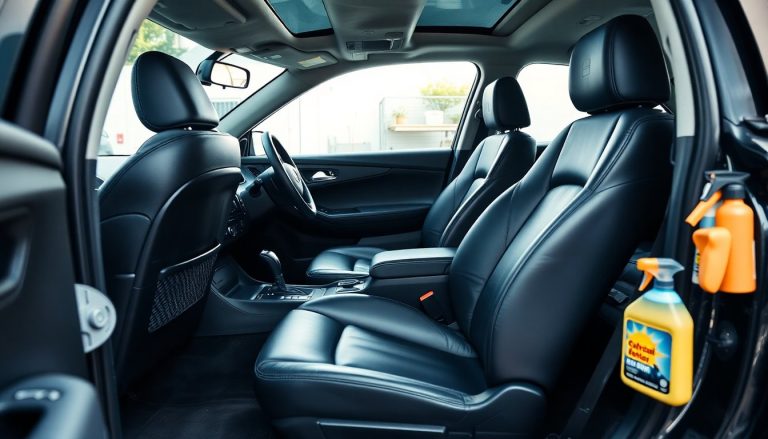
Dish soap is designed to cut through grease and food residue on your plates. That same power can help lift dirt and grime from certain car surfaces. But your car interior is not a stack of dishes. It is made of delicate materials like leather, vinyl, foam, and fabric that react differently to harsh cleaners.
The truth is that dish soap sits in a gray area. It is not the WORST thing you can use, but it is far from ideal. It strips oils, leaves residue, and can dry out sensitive surfaces if you are not careful. Here is a quick rundown of what to keep in mind.
- It is a degreaser first. Dish soap is built to remove oils, which can damage leather and other treated surfaces.
- It can leave residue. If you do not rinse properly, soap film builds up and attracts more dirt.
- It works in a pinch. For a light spot clean on hard plastic or rubber, a heavily diluted mix can do the job.
- It is not pH balanced for cars. Automotive cleaners are formulated to be gentle on interior materials. Dish soap is not.
- Occasional use is fine. Regular use over time can cause fading, cracking, and wear.
Which Interior Surfaces Can and Cannot Handle Dish Soap?
Not all surfaces inside your car are created equal. Some can handle a diluted dish soap solution just fine. Others will suffer real damage. Knowing the difference matters.
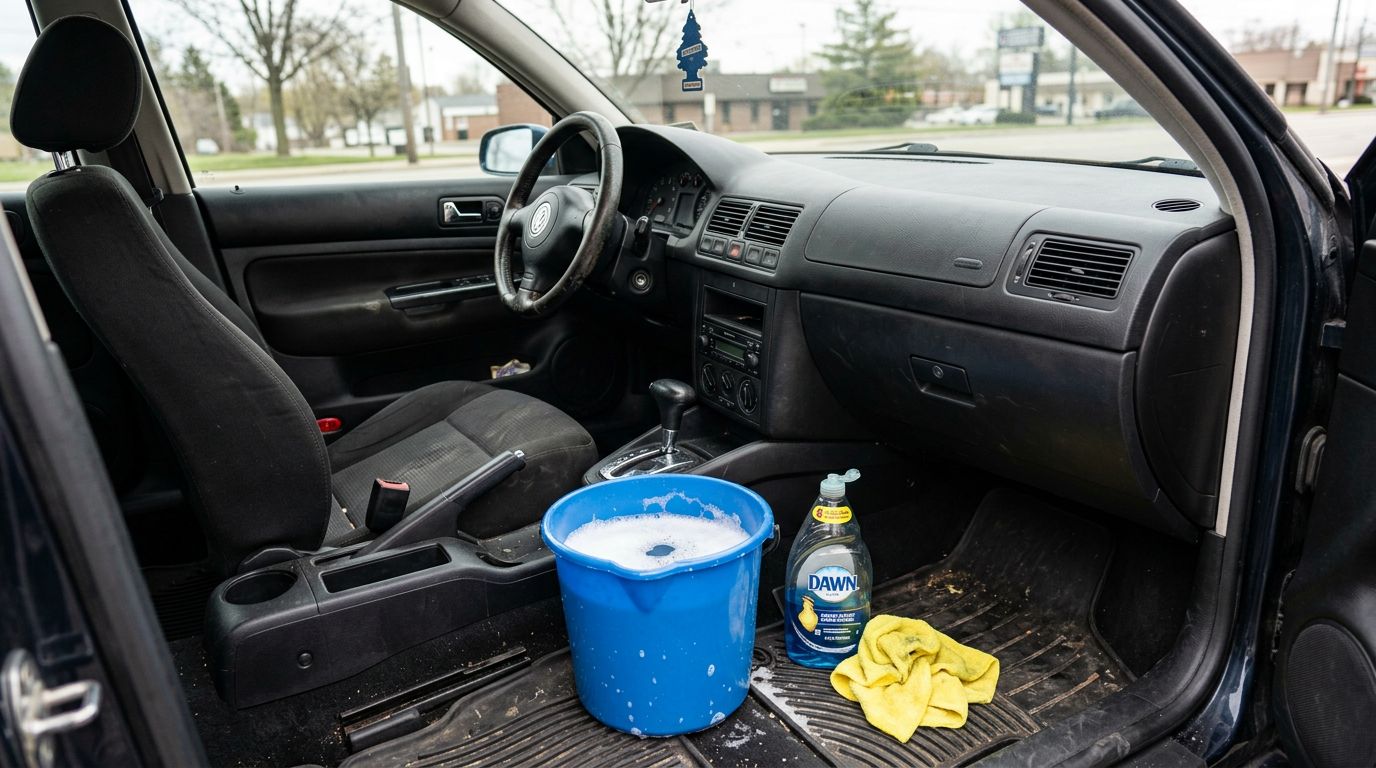
Surfaces That Can Handle Dish Soap
These materials are tougher and more forgiving. A light, diluted mix usually will not hurt them if you clean carefully and dry properly.
- Hard plastics. Door panels, center consoles, and trim can generally tolerate a gentle dish soap solution.
- Rubber floor mats. These are built to take abuse and rinse off easily.
- Glass and mirrors. A very light dilution can cut through grime, though dedicated glass cleaner works better.
- Vinyl surfaces. Vinyl can handle occasional cleaning, but do not overdo it since it can dry out over time.
Surfaces That Cannot Handle Dish Soap
These materials are more sensitive. Using dish soap here can cause staining, drying, and permanent damage.
- Leather seats. Dish soap strips the natural oils that keep leather soft. Over time this leads to cracking and fading.
- Suede and Alcantara. These delicate materials can stain and lose their texture instantly.
- Fabric upholstery. Dish soap can leave residue deep in the fibers that is nearly impossible to rinse out fully.
- Headliners. The glued fabric ceiling can sag or discolor if it gets too wet.
- Electronic screens. Any soap can damage the protective coatings on touchscreens and displays.
How to Clean Your Car Interior with Dish Soap
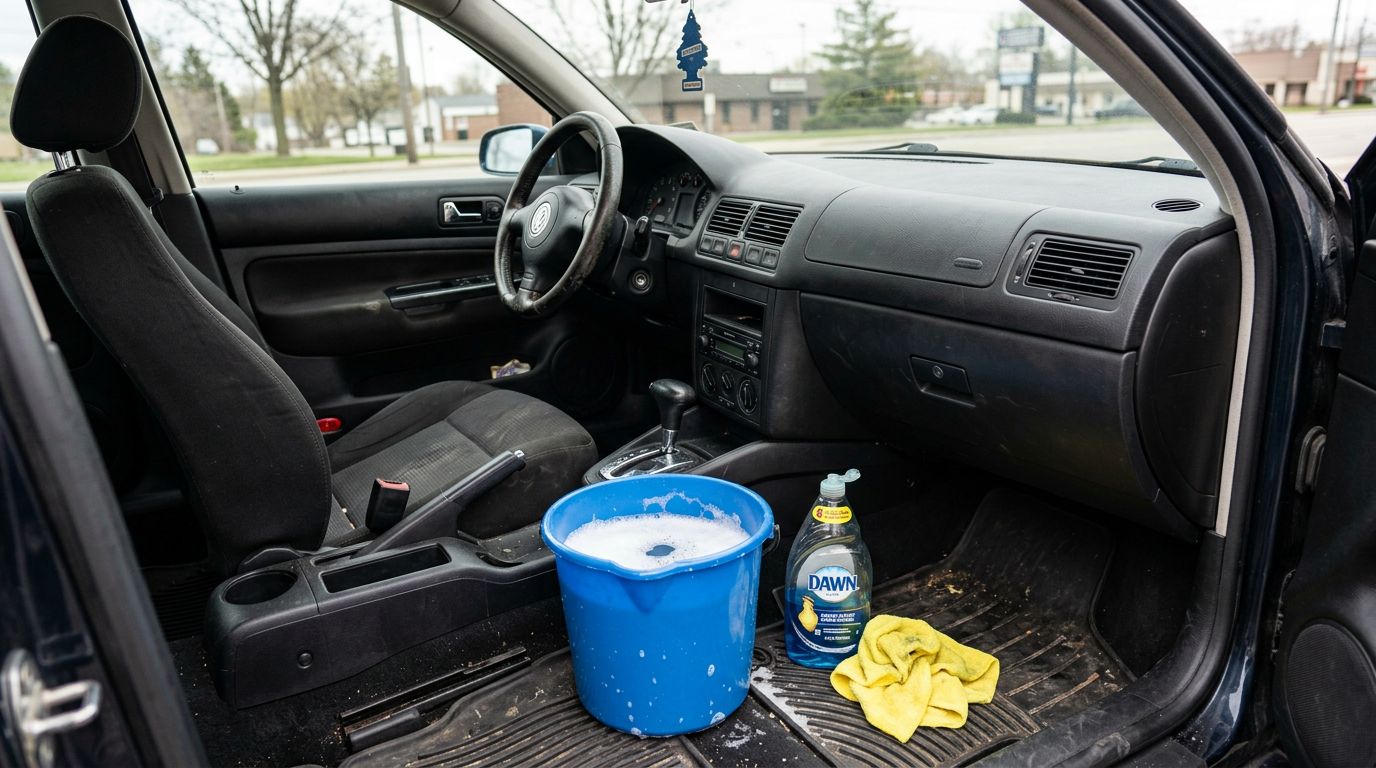
If you have decided to use dish soap on the SAFE surfaces we mentioned, doing it the right way makes all the difference. The goal is to use as little soap as possible and to remove all of it when you are done. Rushing this process is where most people run into trouble.
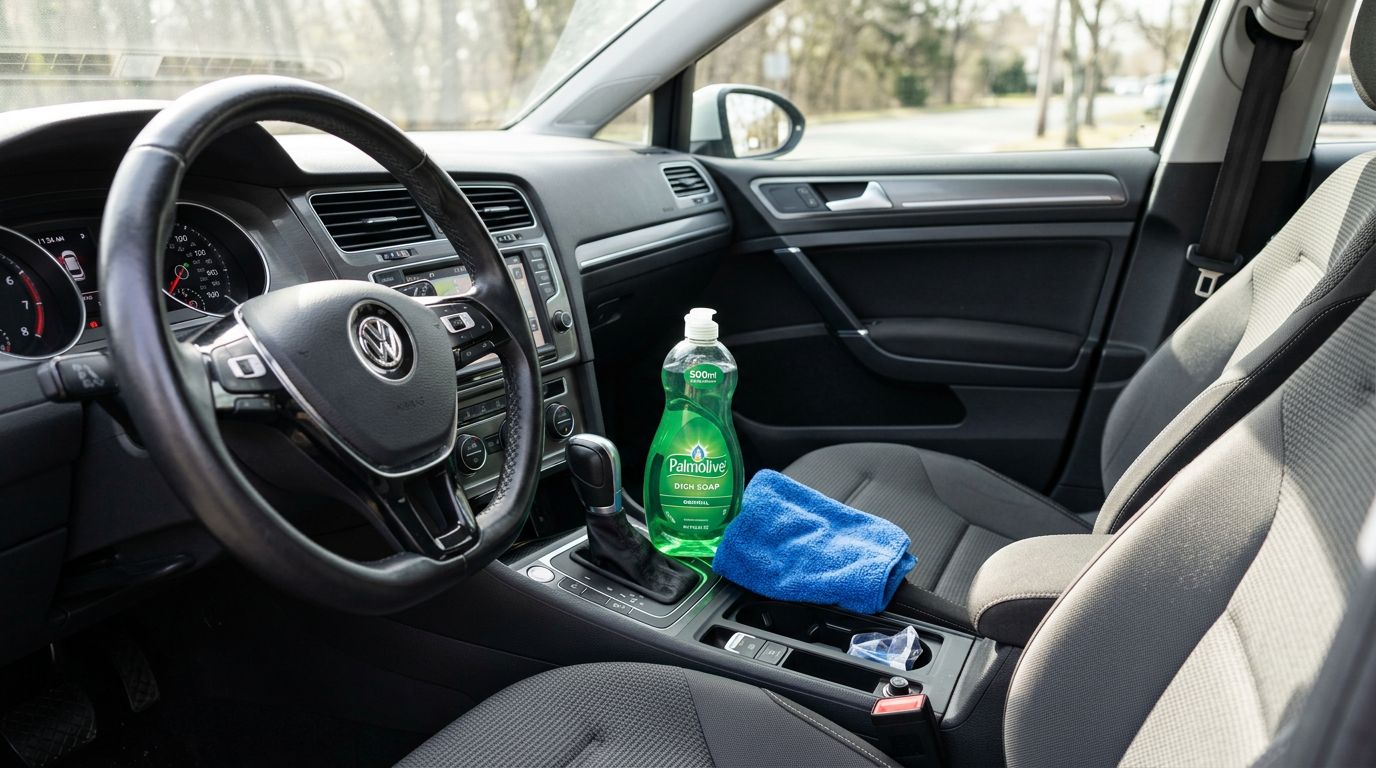
Follow these steps for a clean that will not leave residue or cause damage.
- Vacuum first. Remove all loose dirt, crumbs, and debris before you add any moisture. This prevents mud and streaks.
- Mix your solution. Combine a few drops of dish soap with warm water in a bucket or spray bottle. Less is more here.
- Test a hidden spot. Try the solution on an out of sight area first to make sure it does not discolor the surface.
- Apply with a microfiber cloth. Dampen the cloth, wring it out, and wipe the surface gently. Never soak the material.
- Work in sections. Clean one area at a time so you can rinse before the soap dries.
- Rinse with clean water. Use a second cloth dampened with plain water to remove ALL soap residue.
- Dry thoroughly. Wipe everything down with a dry microfiber towel. Leave doors open to let moisture escape.
- Inspect your work. Check for streaks or leftover film and touch up as needed.
What Are the Risks of Using Dish Soap on Car Interiors?
We want to be honest with you. Dish soap might seem like a smart shortcut, but it carries real downsides. Many of the interior problems we see at the shop come from people using the wrong products over and over. Small mistakes add up over time.
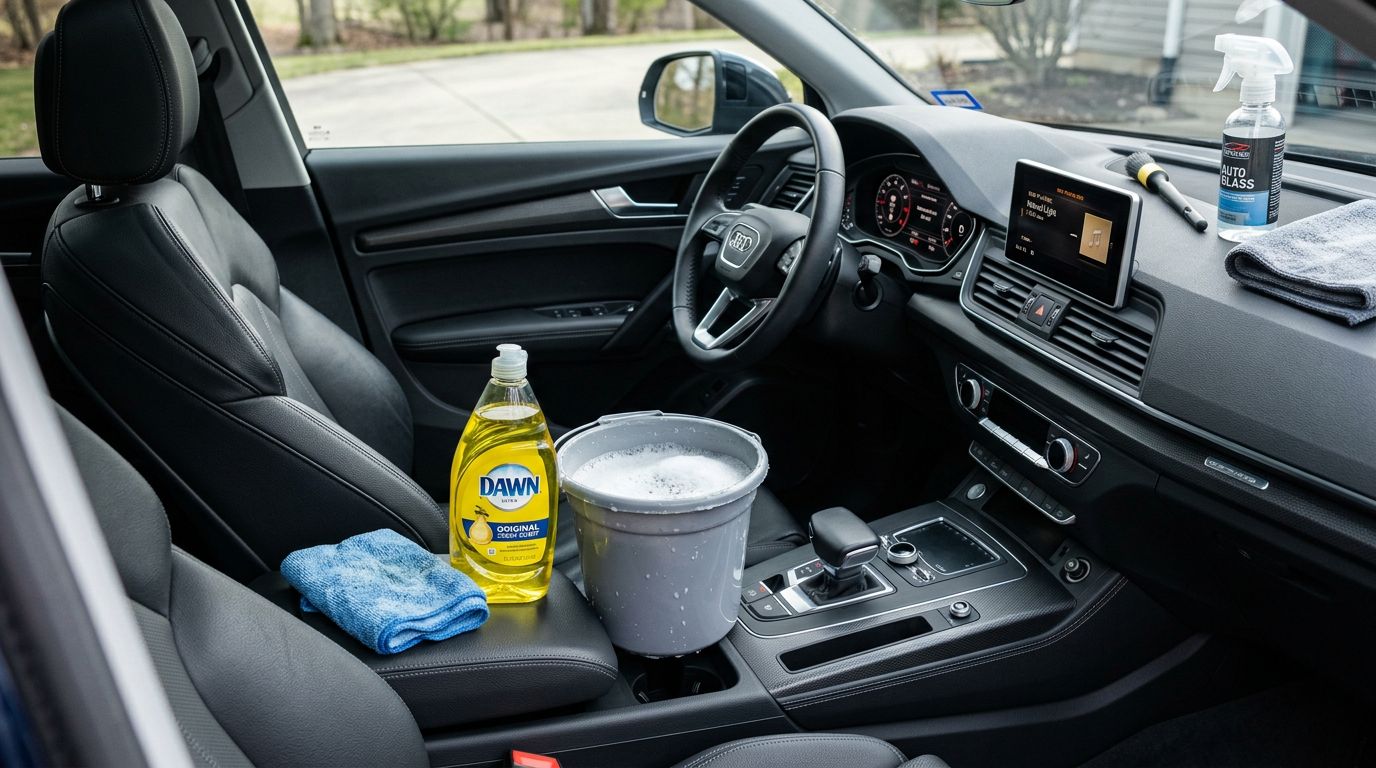
Here are the main risks you should think about before reaching for that bottle.
- Drying out materials. Dish soap removes protective oils from leather and vinyl, leading to cracks and premature aging.
- Residue buildup. Soap film that is not fully rinsed attracts dust and dirt, making surfaces look dirty faster.
- Water damage. Too much moisture can seep into foam padding and cause mold, mildew, and lingering odors.
- Fading and discoloration. Repeated use can dull colors and leave uneven patches on dashboards and panels.
- Stripping coatings. Any factory protective coatings on screens or trim can wear away with harsh soap.
- Slippery surfaces. Leftover soap on steering wheels or pedals can create a dangerous grip issue.
None of these problems show up overnight. That is what makes dish soap tricky. You might not notice the damage until months down the road when the cracking and fading become obvious.
Best Alternatives to Dish Soap for Cleaning Car Interiors
If you want to protect your investment, using the right products pays off. There are plenty of options that clean just as well without the risks. Here are some of the alternatives we recommend depending on the surface.
Dedicated Automotive Interior Cleaners
These products are formulated specifically for car interiors. They are pH balanced and safe for a wide range of materials. Many come as all purpose cleaners that you can dilute for different jobs. They clean effectively while leaving protective properties behind.
Leather Cleaners and Conditioners
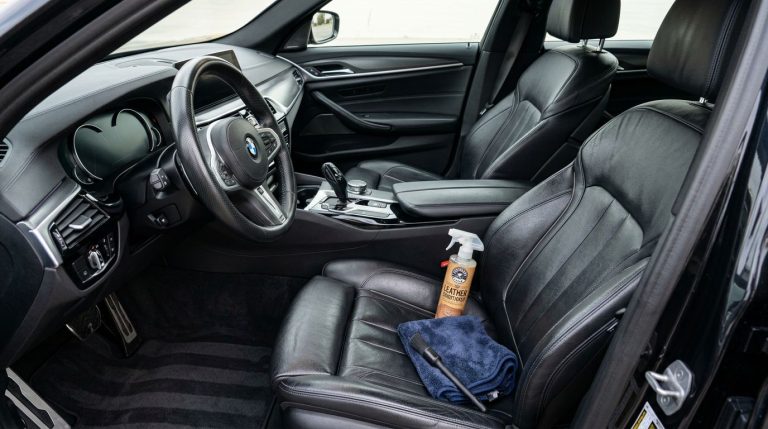
For leather seats, use a cleaner made for leather followed by a conditioner. The conditioner replaces the oils that cleaning removes. This keeps the leather soft and prevents the cracking that dish soap causes.
Fabric and Upholstery Cleaners
Cloth seats and carpets benefit from foaming upholstery cleaners. These lift stains and rinse out cleanly. Some are designed to be vacuumed or extracted, which pulls dirt out rather than pushing it deeper.
Microfiber Cloths and Detailing Brushes
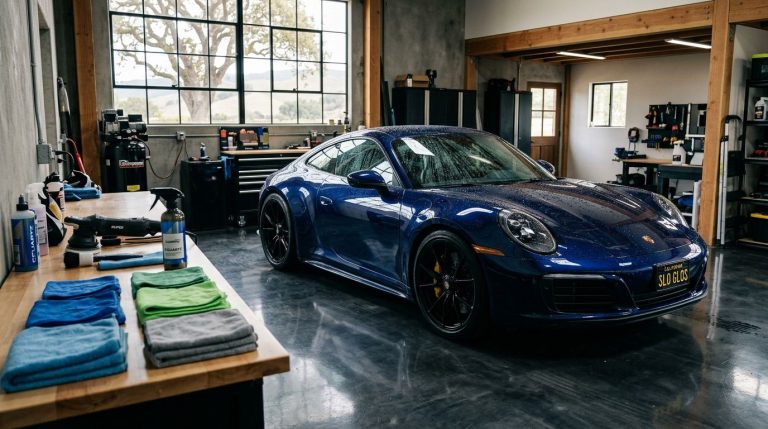
The tools matter as much as the product. Quality microfiber cloths trap dirt without scratching. Soft detailing brushes reach into vents, seams, and tight spots that cloths cannot handle.
Professional Interior Detailing
Sometimes the best alternative is letting a pro handle it. Our interior detailing service uses the right products and techniques for every surface in your car. We serve San Luis Obispo, Pismo Beach, Santa Maria, Arroyo Grande, and the surrounding areas with mobile detailing that comes to you. It saves you time and protects your interior the RIGHT way.
How Do You Properly Dilute Dish Soap for Car Cleaning?
If you still want to use dish soap on the safe surfaces, dilution is EVERYTHING. Using it straight from the bottle is asking for trouble. The right ratio gives you enough cleaning power without the harsh effects. Getting this step right is the difference between a safe clean and a damaged surface.
Here is how to dilute dish soap the correct way for interior cleaning.
- Start with warm water. Fill a clean bucket or spray bottle with warm, not hot, water. Warm water helps the soap dissolve evenly.
- Add a tiny amount of soap. Use just a few drops per quart of water. A good starting point is about one teaspoon per gallon.
- Mix gently. Stir or swirl the solution slowly. You want light suds, not a thick foam.
- Test the strength. If dirt is not lifting, add ONE more drop at a time. Never dump in extra soap.
- Keep a rinse bucket ready. Fill a second bucket with plain water for rinsing your cloth as you work.
- Use fresh solution. Dump and remix if the water gets dirty. Cleaning with murky water just spreads grime.
The key takeaway is to keep the concentration LOW. A weak solution that you rinse well will always beat a strong one that leaves residue behind. When in doubt, use less soap and more water.
Conclusion
So, can you clean the interior of your car with dish soap? Yes, but only on tough surfaces like hard plastics, rubber mats, and glass, and only when heavily diluted and fully rinsed. Keep it FAR away from leather, suede, fabric, and screens. The risks of drying, residue, and fading are real, especially with repeated use.
For the best and safest results, dedicated automotive products and professional care are worth it. At Aj’s Auto Detailing, we offer mobile interior detailing throughout San Luis Obispo, Pismo Beach, Santa Maria, Grover Beach, Lompoc, Goleta, Arroyo Grande, and beyond. If you want your car interior cleaned the RIGHT way without any guesswork, reach out to us and let our team bring the shine to you.