Ceramic Coating vs Wax: Which Wins? (2026 Guide)
When it comes to protecting your car’s paint, the ceramic coating vs wax debate has dominated automotive detailing conversations for years. As professional detailers here at AJ’s Auto Detailing, we’ve applied thousands of ceramic coatings and wax applications across San Luis Obispo and the Central Coast — and we know firsthand which option delivers superior results.
The truth is, both ceramic coatings and traditional car wax have their place in automotive paint protection. But understanding their differences, costs, and long-term benefits will help you make the RIGHT choice for your vehicle’s specific needs and your budget.
What Is Ceramic Coating and How Does It Work
Ceramic coating is a liquid polymer that chemically bonds with your vehicle’s factory paint to create a permanent protective layer. Think of it as a second skin for your car — one that’s incredibly durable and designed to last for years rather than months. traditional car wax
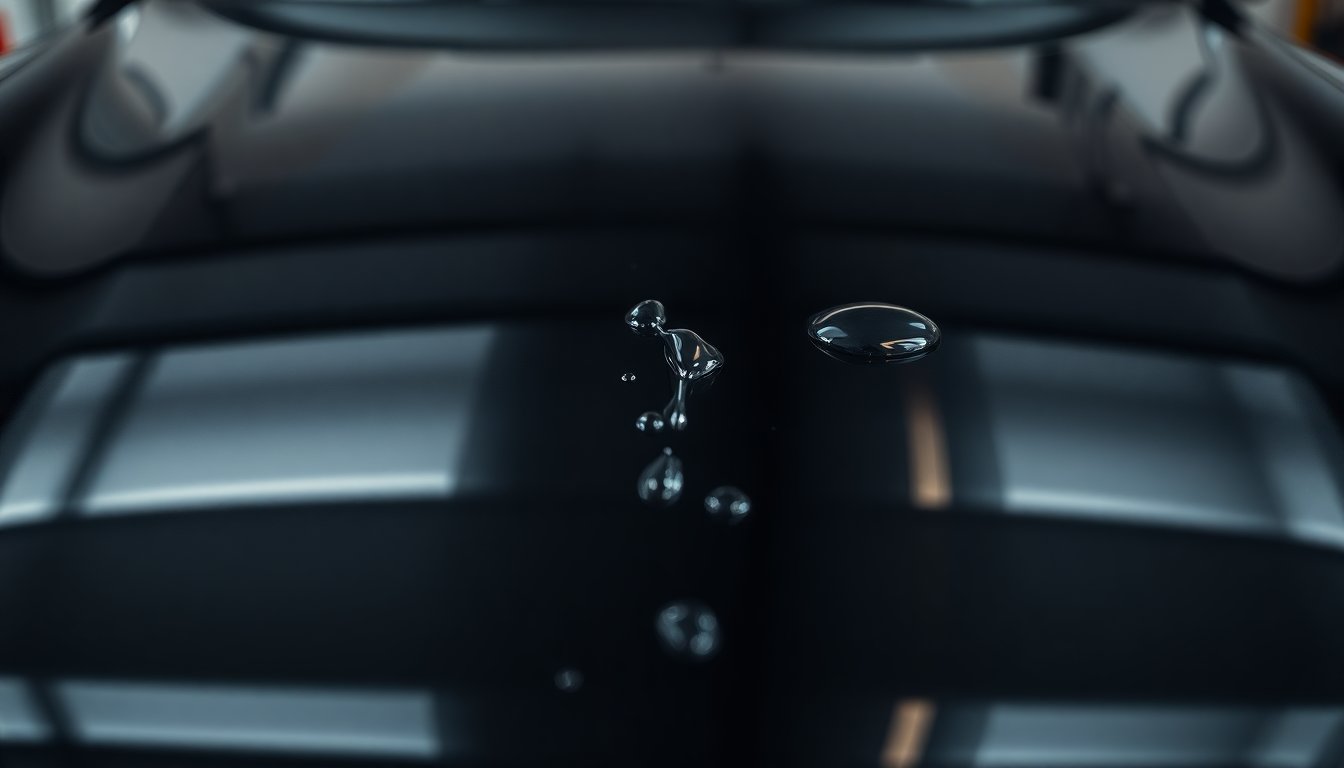
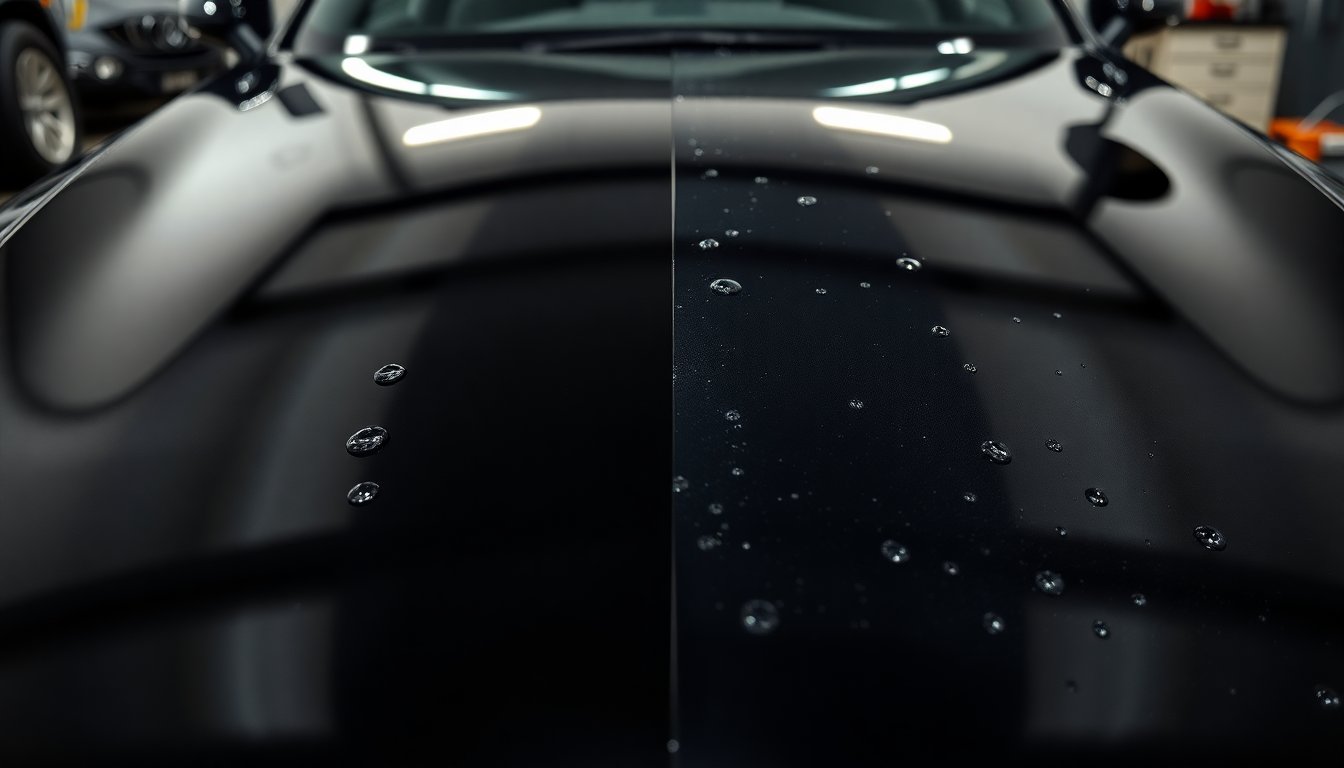
This advanced nanotechnology creates a hydrophobic surface that repels water, dirt, and contaminants while providing exceptional gloss and depth to your paint. The coating actually becomes part of your car’s clear coat, forming a semi-permanent bond that can only be removed through polishing or paint correction.
- Creates a chemically bonded protective layer on paint surfaces
- Provides hydrophobic properties that make water bead and roll off
- Offers UV protection to prevent paint fading and oxidation
- Resists chemical stains from bird droppings, tree sap, and road salt
- Enhances paint gloss and depth for a mirror-like finish
- Makes future washing and maintenance significantly easier
- Provides scratch resistance (though not scratch-proof)
- Maintains its protective properties for 2-5 years depending on quality
What Is Car Wax and How Does It Protect Your Vehicle
Car wax is a traditional paint protection method that’s been around for decades. Made from natural carnauba wax, synthetic polymers, or a blend of both, car wax sits ON TOP of your paint rather than bonding with it. It creates a sacrificial barrier that takes the brunt of environmental damage while giving your car a warm, rich shine.
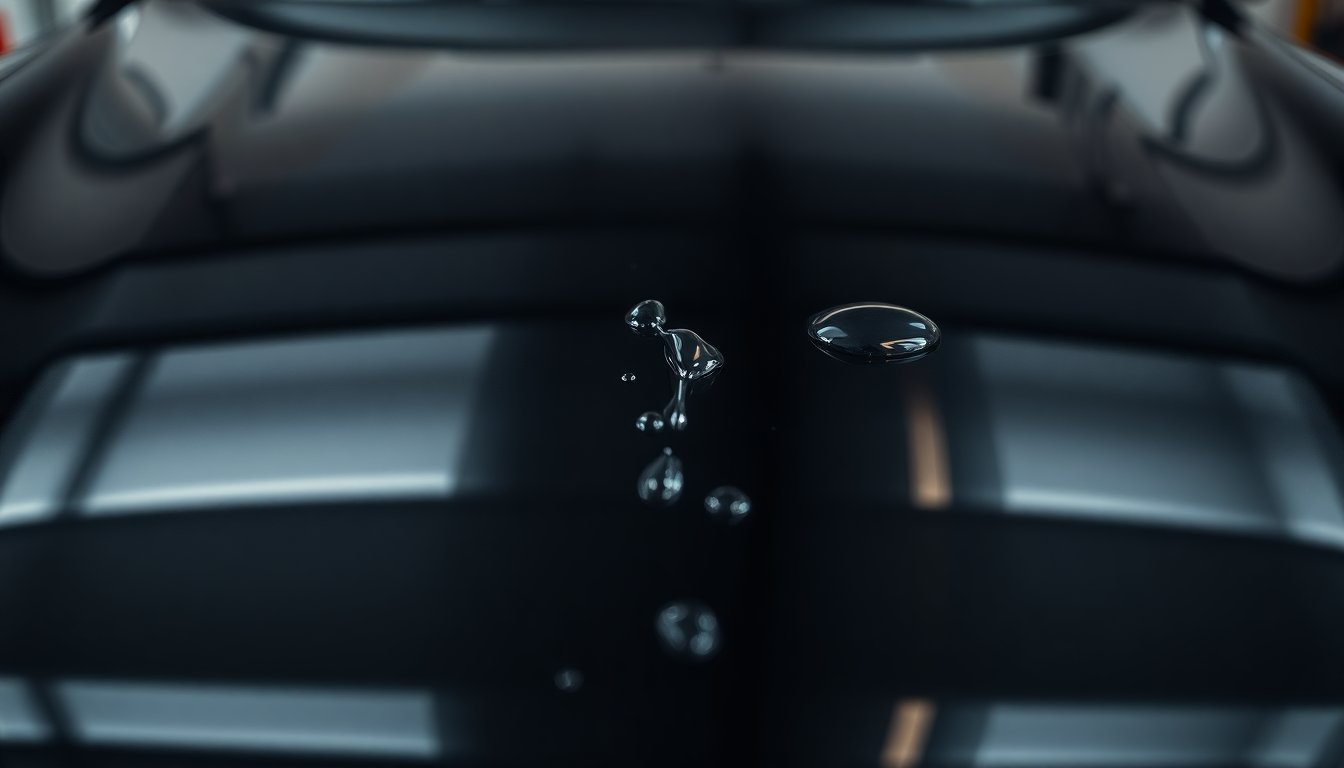
Unlike ceramic coatings, wax doesn’t form a permanent bond with your paint. Instead, it gradually wears away over time through washing, weather exposure, and normal driving conditions. This means you’ll need to reapply wax every 2-4 months to maintain optimal protection.
- Forms a protective barrier on top of your car’s clear coat
- Provides moderate water beading and repellency
- Offers basic UV protection to slow paint degradation
- Creates a warm, natural shine that many enthusiasts prefer
- Easy to apply and remove for DIY enthusiasts
- Significantly more affordable than ceramic coating options
- Available in various formulations (paste, liquid, spray)
- Requires reapplication every 8-16 weeks for best results
Ceramic Coating vs Wax Durability: Which Lasts Longer
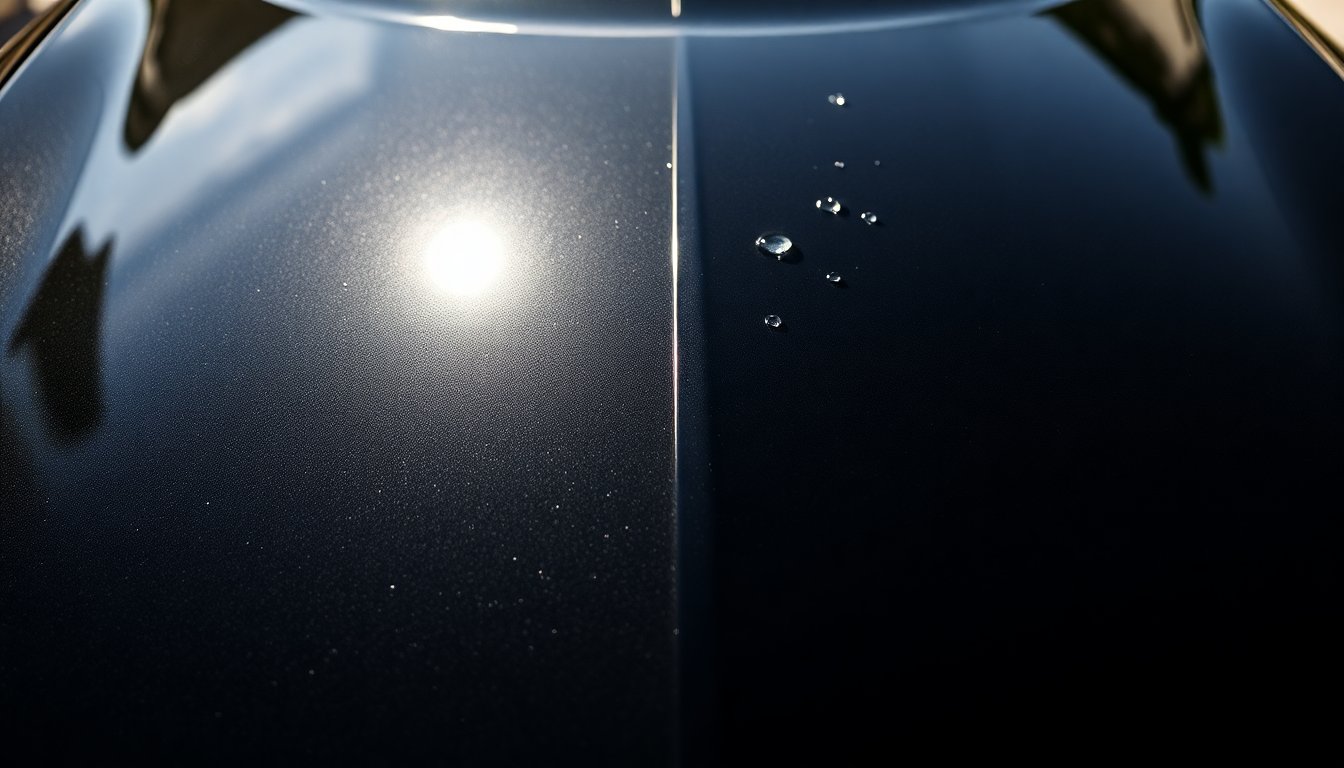
When it comes to longevity, ceramic coating absolutely DOMINATES traditional car wax. The difference isn’t even close — we’re talking years versus months of protection. Consumer Reports testing
| Protection Factor | Ceramic Coating | Car Wax |
|---|---|---|
| Durability | 2-5 years | 2-4 months |
| Water Beading | Excellent (9/10) | Good (6/10) |
| UV Protection | Superior | Moderate |
| Chemical Resistance | Excellent | Limited |
| Scratch Resistance | Good | Minimal |
| Maintenance Required | Low | High |
Professional-grade ceramic coatings like those we apply can last anywhere from 2-5 years with proper maintenance. Some premium coatings even come with warranties extending up to 7 years. The key factor here is QUALITY — not all ceramic coatings are created equal.
Car wax, on the other hand, typically lasts 2-4 months before you’ll notice diminished water beading and protection. In harsh climates (like our sunny Central Coast), you might need to reapply every 6-8 weeks during summer months. This frequent reapplication adds up in both time and cost over the years.
The durability difference becomes even more pronounced when you consider California’s intense UV exposure, salt air from the Pacific Ocean, and temperature fluctuations. Ceramic coatings maintain their protective properties through these conditions, while wax breaks down much faster.
Cost Comparison: Ceramic Coating vs Wax Price Analysis
The upfront cost difference between ceramic coating and wax is significant — but the long-term value equation tells a different story. Let’s break down the real costs over a 3-year period to see which option provides better value.
- Initial Investment: Professional ceramic coating ranges from $800-2500 depending on the product quality and prep work required. Premium wax applications typically cost $150-300 for professional application.
- Maintenance Costs: Ceramic coatings require minimal maintenance — just regular washing with pH-neutral soap. Wax needs reapplication every 3-4 months, costing $150-300 per application.
- 3-Year Total (Professional Application): Ceramic coating averages $1,200-2,500 total. Wax costs approximately $1,800-3,600 over the same period (12-15 applications).
- DIY Option Costs: High-quality DIY ceramic coating kits run $50-150 but require significant prep work and skill. Quality car wax costs $20-50 per application but needs frequent reapplication.
- Hidden Costs: Wax requires more frequent washing and detailing to maintain appearance. Ceramic coating stays cleaner longer, reducing overall maintenance expenses.
- Resale Value Impact: Ceramic coating can increase resale value by $500-1500 due to superior paint condition. Wax provides minimal resale value enhancement.
Application Process: Ceramic Coating vs Wax Installation
Ceramic Coating Application Process
Applying ceramic coating is a meticulous process that requires professional expertise and controlled conditions. The process typically takes 1-3 days depending on the vehicle’s condition and the coating system being used. automotive industry trends
First, we perform a thorough paint correction to remove any swirl marks, scratches, or imperfections. The paint must be PERFECT before coating application — any flaws will be locked in permanently. Next, we deep clean the paint with isopropyl alcohol to remove all oils, waxes, and contaminants.
The coating application itself requires precise technique, working in small sections under controlled lighting. Each layer must cure properly before additional coats are applied. Finally, the coating needs 24-48 hours to fully cure before exposure to water or contaminants.
Car Wax Application Process
Wax application is significantly simpler and more forgiving than ceramic coating. Most car enthusiasts can successfully apply wax at home with basic tools and techniques.
The process starts with a thorough wash and dry. Then, wax is applied in thin, even coats using circular motions or straight lines (depending on product instructions). After the wax hazes over (usually 5-15 minutes), it’s buffed off with a clean microfiber towel.
The entire wax application process typically takes 1-3 hours for most vehicles. Unlike ceramic coating, wax doesn’t require perfect paint condition — it can actually help hide minor imperfections temporarily.
Which Is Better for Your Car: Ceramic Coating or Wax
The “better” choice depends entirely on your priorities, budget, and how you use your vehicle. Both options have distinct advantages that make them ideal for different situations and owner preferences.
- Choose Ceramic Coating If: You want maximum protection and longevity, plan to keep your car for several years, live in harsh climates, prefer low-maintenance solutions, or want to maximize resale value
- Choose Car Wax If: You’re on a tight budget, enjoy regular detailing as a hobby, prefer the warm look of carnauba wax, drive an older vehicle, or like changing protection products seasonally
- Consider Your Climate: Coastal areas like San Luis Obispo benefit more from ceramic coating due to salt air exposure and intense UV rays
- Factor In Usage: Daily drivers in harsh conditions need ceramic coating’s superior protection, while garage-kept weekend cars can thrive with quality wax
- Think Long-Term: If you plan to keep your vehicle 3+ years, ceramic coating provides better value despite higher upfront costs
- Maintenance Preferences: Busy owners should choose ceramic coating for its low-maintenance properties, while detailing enthusiasts might prefer wax’s regular application ritual
Conclusion
Both ceramic coating and car wax have their place in automotive paint protection, but ceramic coating emerges as the clear winner for most vehicle owners seeking long-term value and superior protection. While the upfront investment is higher, the 2-5 year durability, enhanced protection, and reduced maintenance requirements make ceramic coating the smarter choice for most situations.
Car wax remains an excellent option for budget-conscious owners, detailing enthusiasts, or those who enjoy the traditional approach to paint care. The key is choosing the right protection method for YOUR specific needs and circumstances.
At AJ’s Auto Detailing, we’ve helped hundreds of Central Coast vehicle owners make this decision based on their unique situations. Whether you choose ceramic coating or wax, proper application and quality products are essential for achieving the best results and protecting your investment for years to come.